


History of Barangay Matti
The Early Inhabitants
Long before the Second World War, a place now known as Barangay Matti was home to the Bagobo Tribe, the native inhabitants of the land. They lived in harmony with nature, thriving along the banks of a crystal-clear river that served as the lifeblood of their community. This river provided fish and shrimp, which became their primary source of food. It was also their go-to spot for bathing, washing clothes, and drawing drinking water from wells they constructed nearby.
Peaceful Coexistence
Over time, Christian settlers began arriving in the area, despite the language barriers between them and the natives. They peacefully coexisted and built a community together, sharing the river's bounty and the natural resources around them. The river was central to their lives, flowing gracefully as if it were alive.
The Mysterious Event
One day, however, the river mysteriously dried up. The once-thriving community was left puzzled and worried about what could have caused such an unexpected event. Some believed it was a form of divine punishment.
The Naming of Matti
A group of Christian visitors traveling through the area encountered Bagobo children playing near the dry riverbed. Curious, the visitors asked the children the name of the river. The children replied, "Matiti," which meant "the river is dead." From then on, the place became known as "Matti."
Development and Livelihood
Irrigation System
In 1983, under the leadership of Mr. William Lestano, an irrigation system was built, significantly improving agricultural productivity and benefiting the local farmers. Mr. Lestano also served as the president of the Farmer's Cooperative.
Land Area
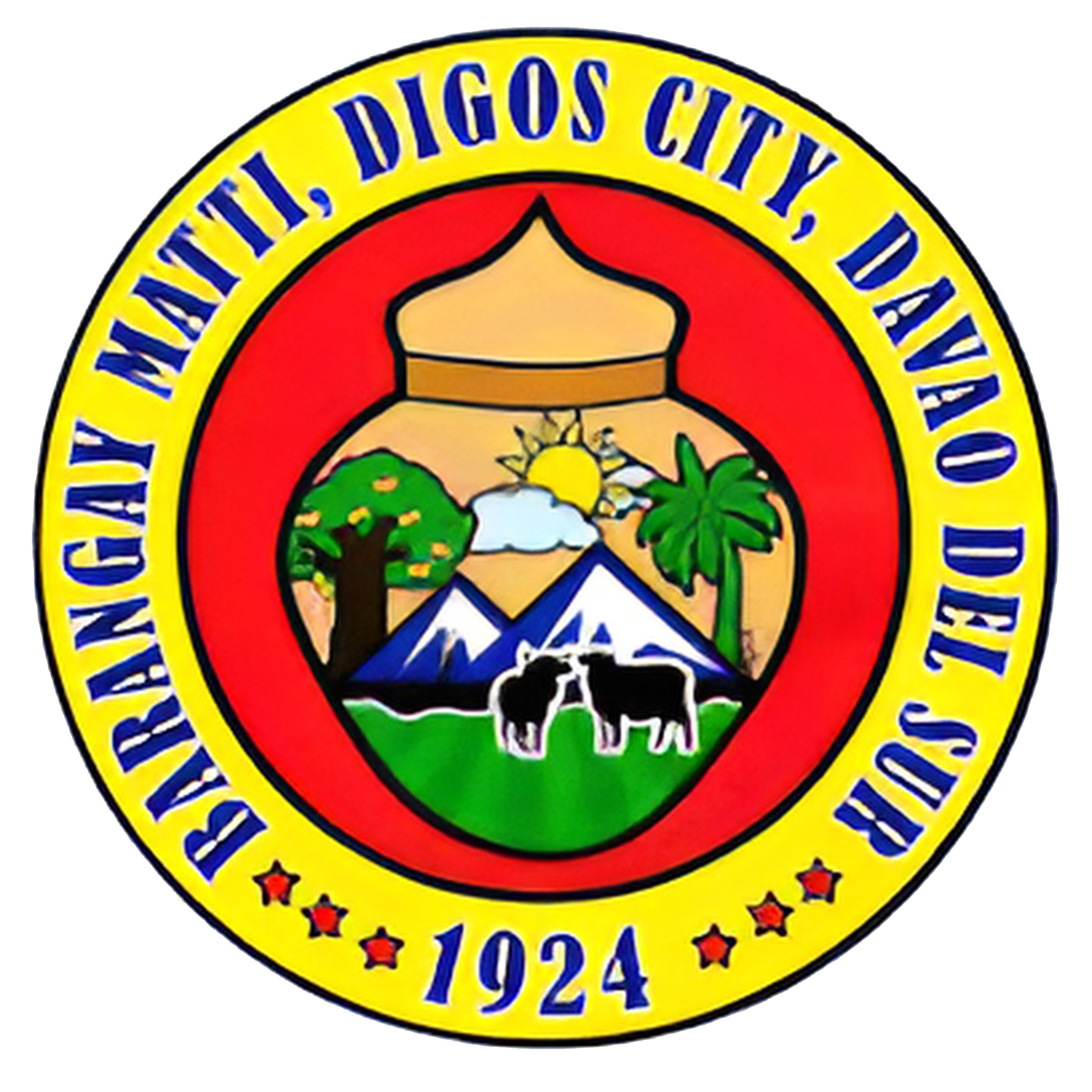
Barangay Matti spans a total land area of 420 hectares and is most notably recognized as the Pot Maker of the City.
Primary Livelihood
Pottery making is the primary livelihood of many residents, with numerous workshops and factories dedicated to producing high-quality pots. This industry has become a significant source of income and pride for the barangay.
Agriculture
Other notable sources of livelihood include mango farming, sugarcane, and rice cultivation.
Challenges and Resilience
The Earthquake
Barangay Matti experienced a strong earthquake, which caused damage to several homes and structures. Despite this, the community remained grateful to God as no lives were lost during the disaster.
COVID-19 Pandemic
The barangay, like the rest of the world, faced the COVID-19 pandemic. It was a challenging time for the community, as strict lockdowns were enforced, and residents were unable to leave their homes freely. Tragically, some residents lost their lives to the virus, and the experience left a deep impact on everyone. The resilience and cooperation of the community, however, allowed them to overcome this unprecedented crisis together.